
Urgent Entry: Securing a Vietnam Visa on Short Notice
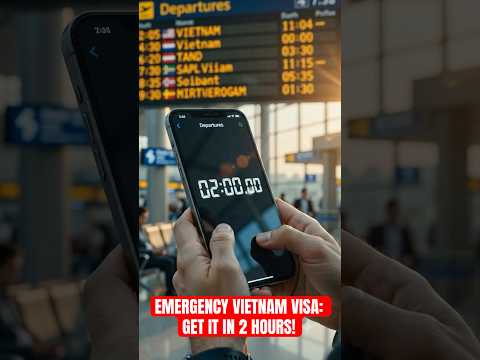
If you need to travel to Vietnam urgently, our streamlined service for an Emergency Vietnam Visa is here to help you get approval fast and hassle-free. We understand plans can change unexpectedly, so we make the process simple and stress-free for your last-minute trip. Trust us to handle the paperwork, so you can focus on packing.
Urgent Entry: Securing a Vietnam Visa on Short Notice
Navigating a last-minute trip to Vietnam demands immediate action, especially when securing your visa. The standard process often requires days, but for travelers facing urgent deadlines, the expedited Vietnam visa service is a lifeline. By applying through a reputable agency, you can leverage the official e-visa or a rush visa-on-arrival letter, processing within just 2-4 hours. This dynamic solution eliminates bureaucratic nightmares, allowing spontaneous business trips or emergency family visits. Ensure your passport and flight details are flawless, then pay the premium fee for lightning-fast approval. Don't let short notice derail your journey—this rapid approval strategy unlocks access to Hanoi's chaos or Ho Chi Minh City's vibrant streets with zero delay. Act fast, stay calm, and secure your entry before the plane leaves the tarmac.
Who Qualifies for an Expedited Visa Process
When a last-minute business meeting in Ho Chi Minh City demanded immediate action, I discovered that urgency doesn’t have to mean impossibility. Vietnam visa on short notice became my lifeline. Within hours, I submitted my digital application, paid an expedited fee, and received an e-visa approval letter via email—no embassy queues, no panic. The process hinges on choosing a reliable visa service; providers offer rush processing in as little as one working day. Key steps include:
- Submitting a clear passport scan and photo online.
- Selecting a 30-day single-entry or multi-entry option.
- Paying a priority surcharge for same-day or 24-hour turnaround.
By the next afternoon, I printed my visa, boarded my flight, and breezed through immigration. With the right agent, an urgent entry becomes a streamlined reality.

Common Scenarios That Trigger a Rush Request
Securing a Vietnam visa on short notice demands swift action and precise documentation. Rush processing options, available through authorized agencies, can deliver approvals within 24 hours or even same-day for air arrival. Expedited Vietnam visa services typically require a scanned passport, flight itinerary, and payment confirmation. Travelers should verify their eligibility for an e-visa or urgent visa-on-arrival at major airports like Hanoi or Ho Chi Minh City.
- E-visa: Apply online; processing can be accelerated to 1-2 business days.
- Visa on arrival: Pre-approval letter needed; obtainable in hours via agent.
- Emergency embassy service: Limited to severe cases; same-day possible with fee.
Q&A:
Q: Can I get a Vietnam visa in one day?
A: Yes, through urgent visa-on-arrival or emergency embassy appointments, approval can be issued within 24 hours for eligible nationals.
Instant Approval vs. Same-Day Processing: Key Differences
For travelers facing last-minute plans, expedited Vietnam visa processing is the most reliable path to securing entry. Most applicants should use the official e-visa portal, which offers a standard three-day turnaround, but urgent cases can upgrade to a one-day or even four-hour service through authorized agencies. Alternatively, a visa on arrival (VOA) with a pre-arranged approval letter remains viable for air travel, though you must allow 1–2 days for the letter to be issued. Overland border crossings do not offer VOA, so e-visa or embassy-printed visas are mandatory. To avoid rejection, double-check your passport has at least six months of validity and two blank pages. Always use a trusted agent for same-day services—scams are common during high-demand periods.
Step-by-Step Guide to a Rapid Visa Application
You have the invitation, the passport, and a knot of hope in your chest—now you need the visa, fast. First, pre-qualify your eligibility by scanning the embassy’s checklist for your specific nationality; any missing document can derail you. Next, book the earliest appointment slot, often at midnight when new slots release. Assemble your digital copies: bank statements, flight itinerary, and a cover letter explaining your purpose. Use an online form filler to avoid typos. After submitting, pay the priority processing fee without hesitation. Then, prepare for the interview—dress plainly and answer concisely.
"Rushed applications fail on small errors; double-check every date and name before hitting submit."Finally, track your passport courier ID obsessively. The officer approves your file; the machine stamps your visa. You exhale. The whole ordeal, from panic to passport, took only forty-eight hours.
Selecting the Correct Visa Type for Your Situation
To secure a rapid visa application, begin by verifying eligibility and gathering all required documents, including a valid passport, photographs, financial statements, and travel itinerary. Submit your application online through the official embassy or consulate portal, paying priority processing fees where available. Priority processing can significantly reduce wait times for urgent travel. Schedule the earliest biometric appointment at the nearest Visa Application Centre, ensuring you arrive with all original documents. Use courier or premium lounge services to expedite document return.
Double-check every detail to avoid rejection; errors cause the longest delays.Finally, monitor your application status daily and respond promptly to any requests for additional information.
Gathering Documents Before You Submit
To secure a rapid visa application, begin by gathering required documents in advance. Check the embassy’s official checklist, then collect a valid passport, recent photos, flight itinerary, accommodation proof, and financial statements. Next, book the earliest available appointment slot online—often within 48 hours for premium services. Complete the application form carefully; any errors cause delays. Pay the visa fee and confirm receipt. On appointment day, arrive early with all originals and photocopies. For speed, use a courier for document submission or request expedited processing if offered. Finally, track your application online. Following these steps minimizes errors and maximizes approval speed.
Filling Out the Online Form Without Errors
Getting your visa fast is all about preparation, not panic. First, pre-check your eligibility by visiting the official embassy website for your destination country. Next, gather your must-have documents: valid passport with blank pages, recent photos, proof of funds, and flight itinerary. Complete the online application form carefully—one typo can delay everything. Pay the fee immediately and book the earliest available appointment, often at a premium for same-week slots. For urgent cases, check if “expedited processing” is offered for an extra charge.
Q: What if I’m missing a document?
A: Submit a brief cover letter explaining why (e.g., “bank statement delayed”) and show you’ve requested it. Many officers accept this with a follow-up email.
Fast-Track Options at Vietnamese Embassies and Consulates
For travelers facing tight deadlines, Vietnamese embassies and consulates offer a lifeline through their expedited visa processing. I recall a frantic Wednesday morning when a colleague realized his passport still bore no stamp for Friday’s flight. A quick call to the consulate revealed the fast-track service: for an additional fee, they could shrink the standard turnaround from five days to just one. Within hours, he submitted his documents, passport photo in hand, and by the next afternoon, the visa was ready. This streamlined process, available at most major missions, prioritizes urgency without demanding bribes or back-channels. It turns bureaucratic anxiety into a manageable, predictable step, proving that even at the eleventh hour, official fast-track solutions can clear a path to Vietnam’s bustling streets and emerald bays.
Contacting the Embassy for a Last-Minute Appointment
For urgent travel needs, Vietnamese embassies and consulates offer expedited processing through premium or fast-track visa services. These options typically reduce standard processing times from 5–7 business days to as little as 24–72 hours, depending on the specific post and visa type. Applicants pay a higher fee, often called an "express" or "rush" surcharge, and must submit complete documentation—including a valid passport, completed application form, and photo—alongside a written request for priority handling. Some missions also provide same-day pick-up for business travelers or those with medical emergencies, though approval is discretionary.
Fast-track visa processing at Vietnamese embassies is best suited for urgent business trips, medical visits, or last-minute family events. To maximize approval chances, confirm availability directly with the consulate beforehand, as not all posts offer express services, especially during peak seasons. Always bring exact cash or a certified bank draft for the surcharge, as not all locations accept credit cards.
- Processing Times: Standard (5–7 days) vs. Express (24–72 hours) vs. Super Express (same-day, where offered).
- Eligibility: All visa types (tourist, business, diplomatic) except e-visa conversions; requires physical application.
- Limitations: Some embassies restrict fast-track to nationals of certain countries or to specific entry points.
Q: Can I fast-track a visa on arrival (VOA) letter through an embassy?
A: No. VOA letters are issued online, not by embassies. Fast-track at embassies applies only to sticker visas placed directly in your passport before travel. For urgent VOA needs, use a licensed travel agent for expedited approval letters (usually within 2 hours), which you present at Vietnam’s international airports.
Urgent Visa on Arrival: How It Works
Looking to get your visa sorted quickly? Fast-track options at Vietnamese embassies and consulates can turn a multi-day wait into a matter of hours or just one business day. This service is a godsend for last-minute business trips or unexpected travel plans. You'll typically pay a premium fee on top of the standard visa cost. Expedited visa processing is available at most major diplomatic missions, but availability varies by location and current workload. The process usually involves submitting a formal request with your application and the extra fee. Some consulates offer same-day service if you apply early in the morning. Remember to call ahead to confirm they offer expedited service, as not all posts provide this convenience.
Using Airline and Travel Agency Services for Speed
Embassies and consulates across Vietnam offer premium fast-track visa services for travelers needing urgent document processing. These expedited options drastically reduce standard wait times, often delivering approved visas within 24 to 48 hours for an added fee. Applicants can submit emergency applications directly at the consular window, bypassing regular queues and postal delays. Services typically include same-day processing for single-entry tourist visas and priority handling for work or business permits. To utilize fast-track, you must complete the online application first, then book an express appointment and pay the rush fee upon arrival. This dynamic solution eliminates long delays, making last-minute international travel seamless for time-sensitive business trips or unforeseen family obligations.
Visa on Arrival: A Lifeline for Last-Minute Travel
For the spontaneous traveler or business professional facing an unexpected trip, Visa on Arrival services serve as a crucial safety net. Instead of enduring the weeks-long wait for embassy approvals, you simply present your passport and supporting documents at the airport upon landing. This streamlined process eliminates the high-stress risk of denied entry due to processing delays, offering a failsafe for last-minute itineraries. However, expert advice is critical: always verify if your country qualifies and if you have the correct fee in local currency. While not available everywhere, nations like Thailand, Egypt, and Jordan use this to boost tourism. Treat this option as a backup, not a primary plan—ensuring your passport has at least six months of validity and a clean page prevents costly rejections at the gate. Ultimately, it’s a powerful tool, but only when used with informed preparation.
Where to Get Your Pre-Approval Letter
For travelers facing urgent itineraries or sudden business needs, Visa on Arrival serves as a critical lifeline for spontaneous global mobility. Unlike traditional embassy applications, this streamlined process lets you secure entry clearance directly at the destination airport or border, bypassing weeks of paperwork. However, it is not universally available; countries like Thailand, Jordan, and Nepal offer it for specific nationalities, often requiring a valid passport, proof of onward travel, and a fee paid in local cash. Travelers should verify eligibility hours before departure, as policies shift without notice.
- Check official immigration sites for real-time updates—never rely on third-party blogs.
- Carry multiple currency denominations; not all ports accept cards.
- Have a printed hotel booking and return ticket ready to avoid denial.
Q: Can I extend a Visa on Arrival?
A: Most countries allow a one-time extension through local immigration offices, but this is not guaranteed. Overstaying often incurs daily fines.
Required Documents at the Airport Landing Desk
Visa on Arrival (VoA) serves as a critical option for travelers who require immediate entry to a foreign country without pre-arranged documentation. This facility allows eligible passengers to obtain entry permission at the port of entry, streamlining spontaneous business trips, emergency visits, or unplanned vacations. For last-minute travel, VoA eliminates weeks of processing delays associated with traditional embassy applications. However, eligibility and conditions vary widely by nationality; many nations impose strict caps on allowable stays, specific designated entry points, and mandatory fees paid in local currency. Travelers should always verify current policies directly from official government sources before departure, as terms can change abruptly. VoA simplifies emergency international travel logistics. Common restrictions often include non-extendable duration limits and prohibition from overland border crossings. Users must present a valid passport, return ticket, and often proof of sufficient funds. While not universal, VoA remains a pragmatic bridge for immediate mobility needs.
Handling Delays in Visa Approval Letters
The Visa on Arrival (VoA) system serves as a critical lifeline for spontaneous travel, empowering globetrotters to bypass lengthy embassy queues and seize last-minute opportunities. Instead of planning weeks ahead, travelers can arrive at eligible international airports, submit documents, pay a fee, and receive their entry permit on the spot. This streamlined process is ideal for business emergencies, flash-sale flights, or sudden vacation impulses. Key countries offering VoA include Thailand, Indonesia, and the Maldives, each with specific eligibility criteria. The service reduces travel friction dramatically, turning a stressful passport headache into a smooth, dynamic arrival experience.
Digital Solutions: Using Online Services for Urgency
When life throws a curveball, digital solutions can be your quickest lifeline. Whether you need a last-minute medical appointment, an emergency plumber, or an urgent document notarized, using online services for urgency cuts through the usual red tape. Platforms like telehealth apps let you see a doctor within minutes, while on-demand service marketplaces connect you with vetted pros who are often just a tap away. For a truly swift response, emergency digital tools like smart home alerts or GPS-based ride-hailing apps can dispatch help directly to your location. The key is knowing which service offers real-time availability and instant confirmation, so you’re not stuck in email limbo.
Q&A
Q: How do you pick the best online service for an urgent need?
A: Look for platforms that show live availability, have user reviews from similar emergencies, and offer instant booking confirmation. Apps with 24/7 chat support are also a safe bet. Always check the cancellation policy too.
Choosing a Reliable Visa Agency for Express Processing
When life throws a curveball, digital solutions are your quickest ally. Using online services for urgency means you can skip the hold music and get real help now, whether it's booking a last-minute doctor's appointment through a telehealth app or ordering emergency supplies with same-day delivery. Accessing urgent care online often beats waiting in a physical queue. For example, you can:
- File a lost wallet report via a police portal in minutes.
- Schedule a priority passport renewal slot.
- Use a food delivery app for a meal when you're swamped.
These platforms cut through red tape, giving you control without the hassle. Just open your phone, and the solution's already in your hands.
Real-Time Tracking and Status Updates
When urgency strikes, digital solutions like online services are a total lifesaver. Whether it's booking a last-minute appointment, ordering a forgotten birthday gift for overnight delivery, or instantly transferring cash to a friend in need, these tools slash the time between "I need help" and "mission accomplished." Fast-track urgent requests with on-demand digital tools. Instead of waiting on hold or rushing to a store, you can schedule a virtual doctor visit or use a food delivery app to solve a sudden hunger crisis in minutes. Even filing an insurance claim or getting roadside assistance feels less stressful when you can do it from your phone, without leaving your couch. For real, these services turn potential meltdowns into simple, quick-fix moments—proving that the best help is often just a few taps away.
Payment Methods That Expedite Your Order
When every second counts, digital solutions transform panic into precision. Online services for urgency let you bypass queues and phone trees to book emergency vet visits, schedule last-minute passport renewals, or dispatch roadside assistance with a single tap. These platforms consolidate real-time availability, instant payment, and GPS tracking into a seamless flow, cutting response times from hours to minutes. Key benefits include:
- Immediate confirmation of appointments or service slots
- Live status updates from provider to your device
- Cancellation alerts that unlock earlier openings
Whether you’re stranded at midnight or scrambling for a morning delivery, digital tools turn downtime into action. They don’t just save time—they reclaim control when you need it most.
Overcoming Common Roadblocks in Urgent Visa Requests
When a visa deadline is breathing down your neck, the first roadblock is often incomplete paperwork. Missing signatures or a forgotten bank statement can trigger weeks of delays, so double-check your checklist like your trip depends on it—because it does. Another common snag is proving strong ties to your home country, especially for urgent requests; a shaky explanation can make an officer suspect you’ll overstay. To overcome this, submit concrete evidence like a job letter, property deed, or family commitments that scream “I’m coming back.” Finally, don’t underestimate the power of a clear, polite cover letter explaining your time-sensitive situation—this one document can connect the dots for the officer. By staying organized and proactive, you turn urgent visa processing from a nightmare into a manageable sprint, keeping your travel plans on track without the panic.
Lost Passports or Expired Documents: What to Do
When urgent visa requests face roadblocks like incomplete documentation or last-minute appointment shortages, the key is proactive verification. Addressing document discrepancies immediately can prevent a denial. If missing a birth certificate or bank statement, upload an affidavit of support with a cover letter explaining the oversight. For appointment delays, escalate via the consulate's emergency line or request a priority slot. To streamline the process:
- Double-check all forms for correct passport numbers and dates.
- Include a printed itinerary and flight confirmation to prove urgency.
- Prepay for courier services to avoid pickup bottlenecks.
For medical emergencies or business deadlines, attach a signed letter from a doctor or employer detailing the time sensitivity. This direct evidence often forces faster processing. Finally, always provide a phone number where you’re reachable during business hours—consular officers prioritize responsive applicants.
Navigating Holiday Closures and Weekend Applications
Navigating urgent visa requests often stalls on missing documents, short deadlines, or embassy errors. To bypass these roadblocks, prioritize streamlined document verification using a pre-submission checklist. Common issues include incorrect photo specs, lack of flight proof, or expired passports. Expedited appointments now demand double-confirming slots, as cancellations spike. Speed up by leveraging courier services for physical forms or using e-visa portals where available. A quick fix for interview delays is securing a cover letter highlighting emergency travel reasons. Always keep digital copies handy for rapid resubmission if systems crash. Stay proactive: call the consulate before errors compound.
- Double-check passport validity (must exceed 6 months).
- Provide a doctor/hospital letter for medical emergencies.
- Attach prepaid return envelope for faster passport return.
Addressing Denied or Delayed Applications Quickly
Rushing for a visa often hits a wall: an incomplete form or a missing signature. I once watched a traveler panic at the counter, realizing their bank statement lacked the required three-month history. The fix came from a quick call to the consulate, which accepted an official letter from their employer instead. Expedited visa support hinges on knowing which documents can substitute under pressure. Common roadblocks include:
- Unverified financial proofs
- Mismatched travel dates
- Expired passport validity
Each hurdle has a workaround—a sponsor letter, a date-change form, or a same-day renewal service. Stay calm, double-check every field, and ask for alternative evidence. That last-minute save turned panic into boarding passes.
Alternative Paths When Standard Options Fail
When the last bus rattled away, leaving Sarah stranded in the downpour, the world felt narrow. Standard options had closed: the app showed no rides, every contact was unreachable. Yet, necessity births invention. She noticed a blur of taillights from a father dropping his child at a late piano lesson. Alternative recovery strategies often hide in plain sight—she swallowed pride and asked for a lift, sharing her umbrella in return. The lesson is universal: when failsafes crumble, creative problem-solving becomes your compass.
What feels like a dead end is often just an invitation to notice the uncharted paths already beneath your feet.That night, Sarah didn't just get home. She learned that the most reliable roads are the ones we build from kindness and improvisation when the map runs out.
Emergency Travel Authorization Through Immigration Hotlines
When standard methods prove ineffective, exploring alternative paths becomes essential for progress. Non-traditional problem-solving techniques often unlock solutions where conventional approaches stall. These alternatives might include lateral thinking, which redefines the problem itself, or reverse engineering desired outcomes to identify missing steps. Other practical options involve leveraging cross-disciplinary knowledge, adopting iterative prototyping over rigid planning, or temporarily shelving the issue to allow subconscious processing. For instance, in business, a stalled project may benefit from a "premortem" analysis—imagining future failure to pinpoint current risks.
Abandoning a failing path is not defeat; it is the first intelligible step toward a viable one.Ultimately, the willingness to pivot from proven methods into uncertainty often reveals more robust, innovative routes that standard options could not provide.
Using a Diplomatic or Business Letter of Support
When standard solutions hit a dead end, effective problem-solving demands lateral thinking rather than brute force. Non-traditional troubleshooting methods often unlock breakthroughs by reframing the constraint itself. For instance, if a software glitch resists reinstallation, consider rolling back system drivers or using a sandboxed Emergency Vietnam Visa environment. In business, when marketing channels fail, pivot to hyper-niche communities or barter partnerships instead of increasing ad spend. Sometimes the most direct route is not a path at all, but a shift in perspective. Key alternatives include:

- Reverse engineering: Work backward from the desired outcome to identify hidden dependencies.
- Resource substitution: Replace a failing tool with a completely unrelated one (e.g., spreadsheet errors solved by a paper ledger).
- Temporal shifts: Apply the solution at a different time of day or phase of the project.
This approach preserves momentum while avoiding the sunk-cost trap of reattempting known-failed methods.
Crossing Land Borders: Visa Exceptions at Checkpoints
When standard options fail, alternative paths often involve leveraging underutilized resources or unconventional methodologies. Creative problem-solving strategies are essential in these scenarios. For instance, one might pivot to barter systems when monetary exchange is blocked, or adopt DIY repairs when professional services are unavailable. Such shifts often reveal hidden efficiencies or community resources. Other approaches include:
- Seeking peer-to-peer lending or micro-grants for financial gaps.
- Using open-source software to replace proprietary systems.
- Implementing manual workflows as a temporary fix for automated process failures.
Costs, Fees, and What to Expect for Rush Processing
Rush processing significantly increases the total costs due to expedited labor and resource allocation. Expect a standard fee starting at 50% of the base service price, with premium options doubling expenses for 24-hour turnaround. This **expedited service** guarantees completion within 1–3 business days, bypassing standard queues. You must submit all required documents in perfect order; incomplete applications will halt the process without refunds. While pricey, this is the only way to meet inflexible deadlines.
Q: Is rush processing refundable if I make an error?
A: Absolutely not. The fee covers prioritized workflow, not error correction. Ensure all data is verified before submission.
Standard Urgent Fees vs. Premium Express Charges
Rush processing offers unmatched speed but comes at a premium. Expect an additional fee of 25% to 100% of the base service cost, depending on urgency. Typical turnaround drops from standard 5–7 business days to 24–48 hours or even same-day. You will pay this non-refundable rush fee upfront, alongside the full service cost. For example, a $200 standard service with a 50% rush fee totals $300.
- Standard: $200, 5–7 days
- Rush (50% premium): $300, 24–48 hours
- Express (100% premium): $400, same-day
No hidden costs exist: the quote you receive is final. Be prepared to submit all documents immediately; any delay resets your window. This investment guarantees priority processing and a confirmed deadline—your order skips the queue entirely. For time-sensitive projects, the extra cost eliminates waiting risk.
Hidden Charges: Courier, Stamp, and Service Add-Ons
Rush processing accelerates your order timeline, but it comes with a premium. Expect a surcharge typically between 50% and 100% of the standard fee, depending on urgency and service complexity. Expedited service fees vary by provider, so always confirm the exact cost upfront to avoid surprises. A typical breakdown includes a flat rush fee plus any overnight shipping charges. For example, a standard $50 passport photo might jump to $100 for 24-hour turnaround. Fast turnaround options demand clear communication—submit all documents perfectly, as errors can void the rush benefit. Expect your item to be prioritized, but not guaranteed for same-day completion if volume spikes.
Refund Policies When Your Flight is Imminent
Rush processing typically involves an additional flat fee or a percentage surcharge—often 25% to 100% of the base cost—to compress standard turnaround times. For passports, U.S. expedited service adds $60 to the application fee; for visas, courier or premium fees can range from $30 to over $200. Emergency document processing demands careful cost verification. Expect delivery in 2–3 business days via overnight courier, though government agencies may require proof of urgency (e.g., travel itinerary within 14 days).
Never assume rush processing guarantees same-day results; always confirm the maximum turnaround and refund policy before paying.
Practical Tips for a Smooth Emergency Entry
For a smooth emergency entry, pre-position a sturdy, accessible key in a secured lockbox known only to trusted contacts. Regularly test your locks and hinges for any stiffness that could slow entry. Practice a rapid, safe opening sequence with all household members, focusing on calm and deliberate action under simulated pressure. Ensure the entry path is clear of obstacles like furniture or clutter, which can cause dangerous delays. Communicate a clear protocol, including a designated person to unlock and a backup method, such as a spare key held by a neighbor. Finally, maintain entry tools like bolt cutters or a glass-breaking punch in a known, easy-to-reach location near the door, verifying their condition monthly to guarantee functionality when emergency access is critical.
Double-Checking Entry Points Authorized for Fast Visas
Secure your primary and secondary entry points weekly. Test all locks, hinges, and thresholds to ensure they function under pressure. For a rapid breach, keep a dedicated breaching tool (halligan or axe) stored near the door, never in a locked cabinet. Practice a two-person carry technique for an unconscious victim: one holds the airway, the other controls the legs. Clear any clutter from the path—shoes, mats, or furniture become lethal tripping hazards in darkness. Always announce your entry distinctly to avoid friendly fire, and confirm your exit route is unobstructed before forcing the door. These steps reduce delay by seconds that can mean life or death.
Preparing Proof of Urgent Travel (Flight Itinerary, Hotel Booking)
For a smooth emergency entry, prioritize access reliability over convenience. Emergency entry planning requires ensuring all authorized personnel can quickly bypass primary locks without damage. Maintain a secure, centralized key box with a tamper-evident seal, accessible only to verified responders. Verify the emergency plan quarterly to confirm keys and codes function correctly. Test backup power for electronic systems and lubricate mechanical locks annually to prevent seizing. Effective emergency entry planning also involves training staff on bypass procedures and documenting access routes. Use a durable, weather-resistant key lockbox with a backup manual override. Avoid hiding keys near the door; use approved, securely anchored units instead.
What to Do Upon Arrival: Passing Immigration with an Urgent Visa
For a reliable emergency entry, always prioritize pre-authorized access methods over destructive force. Master key systems and programmable smart locks are the gold standard, as they allow you to bypass physical barriers without causing property damage. Store a spare key or credential in a discreet, weatherproof lockbox a few feet from the primary door, not under a mat or rock. Ensure all entry points—doors, windows, and garage service doors—are tested quarterly for smooth operation and that hinges are lubricated to prevent binding. *Never rely on a single method; always have a verified backup plan.* For commercial settings, maintain a digital log of credential access for audit trails, and always verify occupant identity before entering.